
Nissan Armada 2025-2026 Service and Repair Manual: Work Procedure
INSPECTION START
Check service records for any recent repairs that may indicate a related malfunction, or a current need for scheduled maintenance.
Open engine hood and check the following:
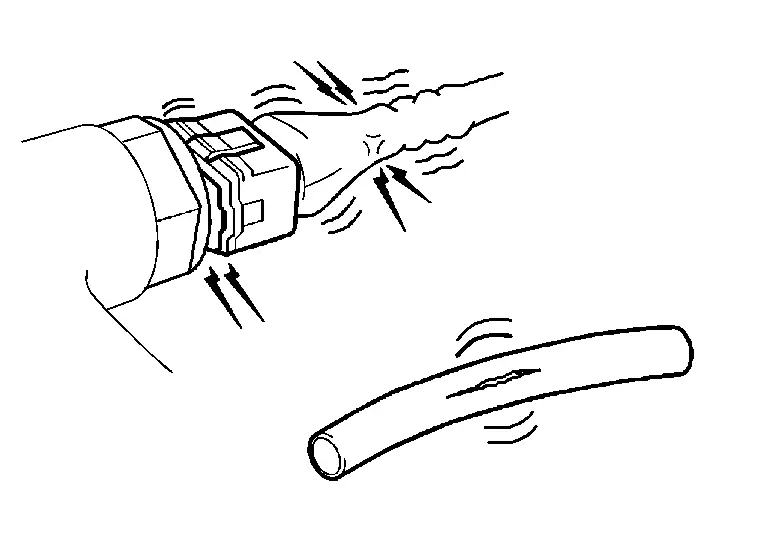
Harness connectors for improper connections
Wiring harness for improper connections, pinches and cut
Vacuum hoses for splits, kinks and improper connections
Hoses and ducts for leaks
Air cleaner clogging
Gasket
Confirm that electrical or mechanical loads are not applied.
Headlamp switch is OFF.
Air conditioner switch is OFF.
Rear window defogger switch is OFF.
Steering wheel is in the straight-ahead position, etc.
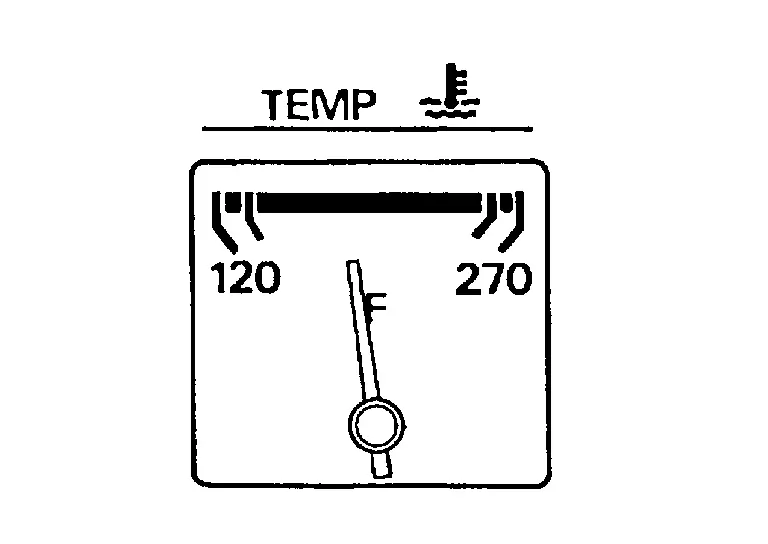
Start engine and warm it up until engine coolant temperature indicator points the middle of gauge.
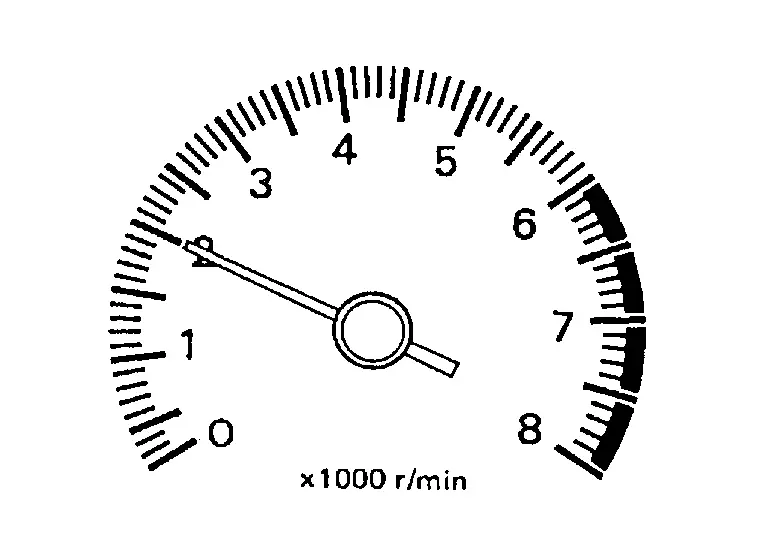
Ensure engine stays below 1,000 rpm.
Run engine at about 2,000 rpm for about 2 minutes under no load.
Make sure that no DTC is displayed with CONSULT or GST.
Are any DTCs detected?
YES>>GO TO 2.
NO>>GO TO 3.
REPAIR OR REPLACE
Repair or replace components as necessary according to corresponding Diagnosis Procedure.
>>GO TO 3
CHECK IDLE SPEED
Run engine at about 2,000 rpm for about 2 minutes under no load.
Rev engine (2,000 to 2,900 rpm) two or three times under no load, then run engine at idle speed for about 1 minute.
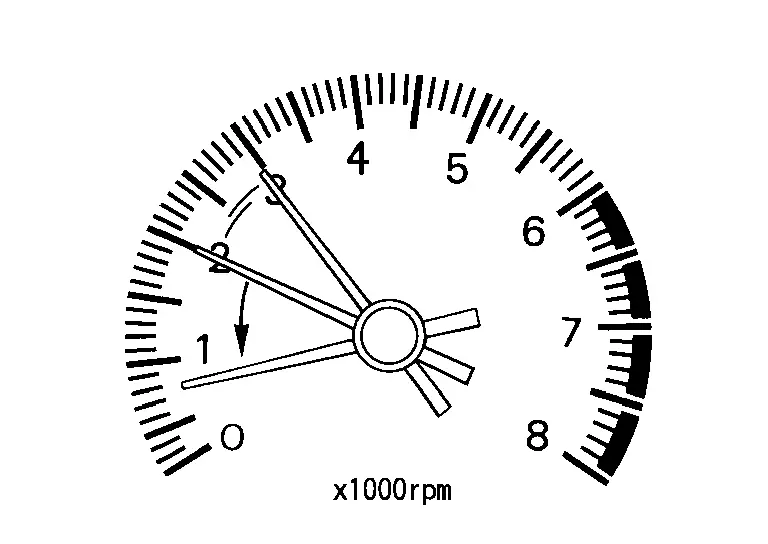
Check idle speed.
For procedure, refer to Inspection.
For specification, refer to Idle Speed.
Is the inspection result normal?
YES>>GO TO 10.
NO>>GO TO 4.
PERFORM ACCELERATOR PEDAL RELEASED POSITION LEARNING
Stop engine.
Perform Accelerator Pedal Released Position Learning. Refer to Work Procedure.
GO TO 5.
PERFORM THROTTLE VALVE CLOSED POSITION LEARNING
Perform Throttle Valve Closed Position Learning. Refer to Work Procedure.
>>GO TO 6.
PERFORM IDLE AIR VOLUME LEARNING
Perform Idle Air Volume Learning. Refer to Work Procedure.
Is Idle Air Volume Learning carried out successfully?
YES>>GO TO 7.
NO>>Follow the instruction of Idle Air Volume Learning. Then GO TO 4.
CHECK IDLE SPEED AGAIN
Start engine and warm it up to normal operating temperature.
Check idle speed.
For procedure, refer to Inspection.
For specification, refer to Idle Speed.
Is the inspection result normal?
YES>>GO TO 10.
NO>>GO TO 8.
DETECT MALFUNCTIONING PART
Check the Following.
Check camshaft position sensor (PHASE) and circuit. Refer to Component Inspection.
Check crankshaft position sensor (POS) and circuit. Refer to Component Inspection.
Is the inspection result normal?
YES>>GO TO 9.
NO>>Repair or replace. Then GO TO 4.
CHECK ECM FUNCTION
Substitute with a non-malfunctioning ECM to check ECM function. (ECM may be the cause of the incident, although this is rare.)
Perform initialization of IVIS (NATS) system and registration of all IVIS (NATS) ignition key IDs. Refer to Work Procedure.
GO TO 4.
CHECK IGNITION TIMING
Run engine at idle.
Check ignition timing.
For procedure, refer to IGNITION TIMING : Periodic Maintenance.
For specification, refer to Ignition Timing.
Is the inspection result normal?
YES>>GO TO 19.
NO>>GO TO 11.
PERFORM ACCELERATOR PEDAL RELEASED POSITION LEARNING
Stop engine.
Perform Accelerator Pedal Released Position Learning. Refer to Work Procedure.
GO TO 12.
PERFORM THROTTLE VALVE CLOSED POSITION LEARNING
Perform Throttle Valve Closed Position Learning. Refer to Work Procedure.
>>GO TO 13.
PERFORM IDLE AIR VOLUME LEARNING
Perform Idle Air Volume Learning. Refer to Work Procedure.
Is Idle Air Volume Learning carried out successfully?
YES>>GO TO 14.
NO>>Follow the instruction of Idle Air Volume Learning. Then GO TO 4.
CHECK IDLE SPEED AGAIN
Start engine and warm it up to normal operating temperature.
Check idle speed.
For procedure, refer to Inspection.
For specification, refer to Idle Speed.
Is the inspection result normal?
YES>>GO TO 15.
NO>>GO TO 17.
CHECK IGNITION TIMING AGAIN
Run engine at idle.
Check ignition timing.
For procedure, refer toIGNITION TIMING : Periodic Maintenance.
For specification, refer to Ignition Timing.
Is the inspection result normal?
YES>>GO TO 19.
NO>>GO TO 16.
CHECK TIMING CHAIN INSTALLATION
Check timing chain installation. Refer to Exploded View.
Is the inspection result normal?
YES>>GO TO 17.
NO>>Repair the timing chain installation. Then GO TO 4.
DETECT MALFUNCTIONING PART
Check the following.
Check camshaft position sensor (PHASE) and circuit. Refer to Component Inspection.
Check crankshaft position sensor (POS) and circuit. Refer to Component Inspection.
Is the inspection result normal?
YES>>GO TO 18.
NO>>Repair or replace. Then GO TO 4.
CHECK ECM FUNCTION
Substitute with a non-malfunctioning ECM to check ECM function. (ECM may be the cause of the incident, although this is rare.)
Perform initialization of IVIS (NATS) system and registration of all IVIS (NATS) ignition key IDs. Refer to Work Procedure.
GO TO 4.
INSPECTION END
If ECM is replaced during this BASIC INSPECTION procedure, Refer to Work Procedure.
>>INSPECTION END
 Basic Inspection
...
 Service After Replacing or Removing Engine Parts
×:Applicable
Part name Service performed Service Manual item Reference Replacement Removal ECM × — Additional service when replacing ECM Refer to Work Procedure. Accelerator pedal posi ...
Other materials:
Removal and Installation
REMOVAL
CAUTION:
Remove rear spoiler. Refer to Removal and Installation.
While pushing rear washer nozzle fixing pawl , remove rear washer nozzle with rear washer nozzle tube in the direction of the arrow in the figure.
Remove rear washer nozzle tube from rear washer nozzle.
Remove connector fro ...
Adjustment
PREPARATION BEFORE ADJUSTING
NOTE:
For details, refer to the regulations in your own country.
Before performing aiming adjustment, check the following.
Adjust the tire pressure to the specification.
Fill with fuel, engine coolant, and each oil.
Maintain the unloaded vehicle condition. (Remove luggag ...
Wheel Height
WITHOUT DYNAMIC DIGITAL SUSPENSION AND ELECTRONIC AIR SUSPENSION
Except for Canada
Item Standard Wheel size 18 inch 20 inch Front (Hf) 929 mm (36.57 in) 937 mm (36.89 in) Rear (Hr) 936 mm (36.85 in) 945 mm (37.20 in)
Measure value under unladen* conditions.
*: Fuel, engine coolant and l ...

0.0062